
Luxury Italian vacations do not end with summer. As the days get shorter, the great opera houses open their seasons, Alpine towns fill their squares with Christmas markets, and the Dolomites settle into winter.
For travel advisors, the cold season is a chance to show clients a side of Italy they may know less well. Here are three ways to build a winter itinerary, from the gilded boxes of Milan and Venice to the snow-covered valleys of Trentino and South Tyrol.
Opening nights at La Scala and La Fenice
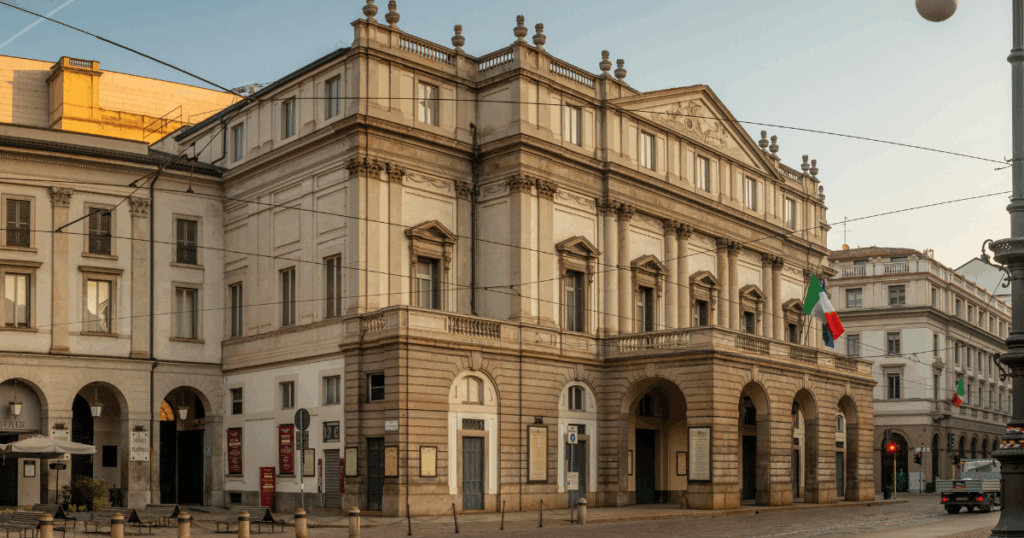
Teatro alla Scala, in the center of Milan, is one of the most famous opera houses in the world. It opened in 1778, and some of the best-loved Italian operas, from Verdi’s Falstaff to Puccini’s Madama Butterfly and Turandot, were first performed on its stage.
Every year the season opens on December 7, the feast of Saint Ambrose, Milan’s patron saint. For the city it is a social occasion as much as a musical one: evening dress, boxes lined in red velvet, a full house waiting in silence for the first notes. In 2026 the curtain rises on Verdi’s Otello, a story of jealousy and betrayal that the composer brought to this very stage in 1887.
Venice has its own opera house, La Fenice, which stands on a small square a short walk from St. Mark’s Square. The name means “the phoenix,” and the theater has lived up to it: fire destroyed it twice, in 1836 and 1996, and each time it rose again. The season here opens earlier, in November, with Fedora by Umberto Giordano, an opera Venice has not heard in more than half a century. At the end of December, the theater hosts its New Year’s Concert, a natural reason to spend the holidays in the city.
Christmas markets in South Tyrol and Trentino
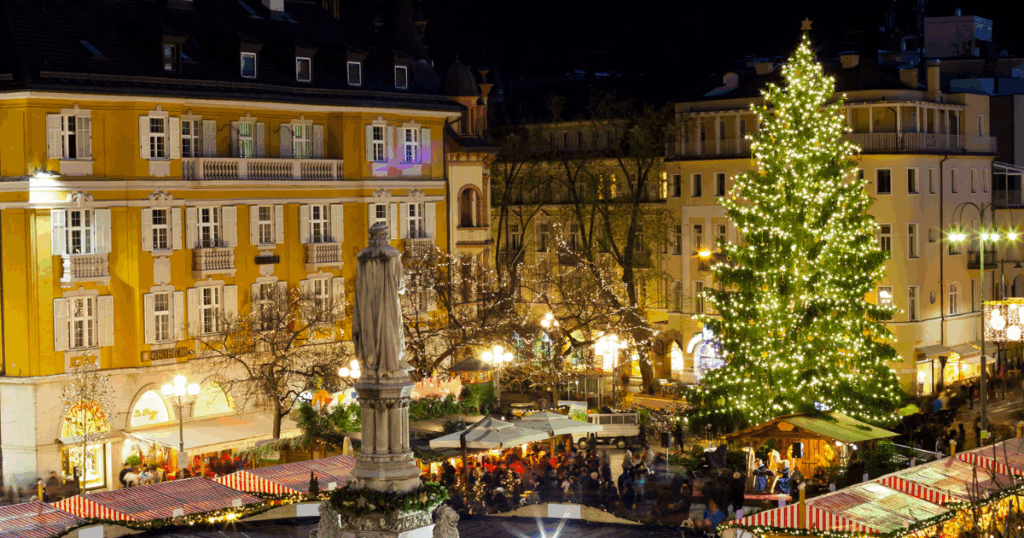
South Tyrol is Italy’s northernmost province, on the border with Austria. Most people here speak German as their first language, and the towns, with their arcaded streets and painted facades, feel closer to the Alpine world than to the Mediterranean.
When December arrives, the valleys change pace. The five original Christmas markets of Bolzano, Merano, Bressanone, Brunico and Vipiteno run from late November until early January. Wooden stalls sell handmade decorations and local crafts, while the smell of mulled wine, apple punch, gingerbread and strudel fills the old town centers.
A little further south, Trento, the capital of Trentino, sets up its own market in the squares of the old town, with wooden crafts, decorations and local food such as cheese and chocolate. For clients, the markets work best as part of a longer stay: an afternoon in town, then a return to the quiet of the mountains.
The Dolomites beyond skiing
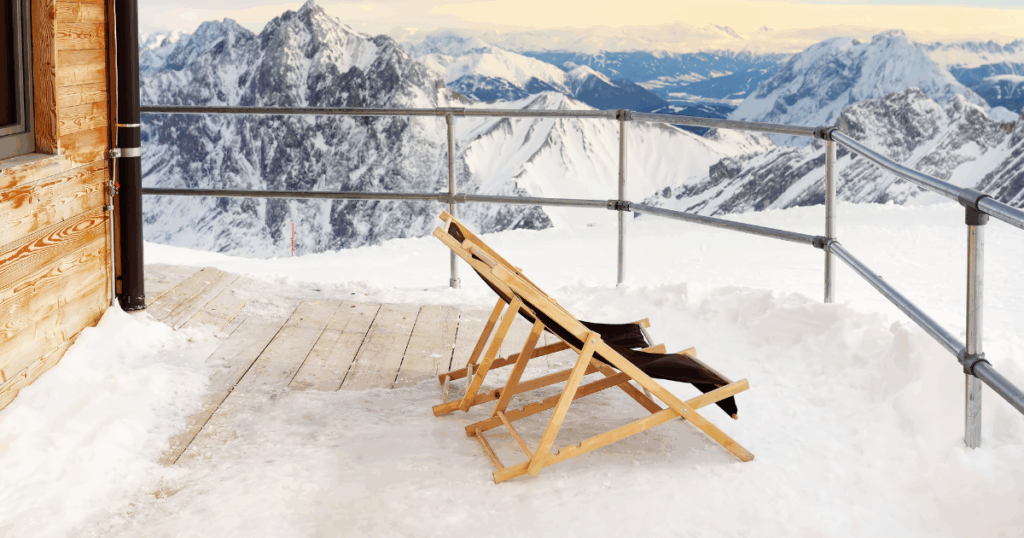
The Dolomites are the pale peaks of northeastern Italy, spread across South Tyrol, Trentino, the Veneto and Friuli Venezia Giulia. They have been a UNESCO World Heritage Site since 2009. At sunrise and sunset their rock walls can turn pink, orange and red, a moment the locals call enrosadira. Skiing is the obvious reason to visit in winter, but it is far from the only one.
Alta Badia is a valley in the heart of the Dolomites, where most people still speak Ladin, a language that dates back to Roman times. Here food matters as much as the slopes. The valley’s cuisine draws on Ladin culture and local mountain products, and its restaurants range from mountain huts to Michelin-starred tables. Every winter, A Taste for Skiing brings dishes created by renowned chefs to the huts on the slopes, so lunch between runs can be as memorable as dinner in the city.
For clients who do not ski, the mountains can be just as rewarding at a slower pace: long lunches with a view, quiet afternoons devoted to wellness.
Planning a winter journey across Italy
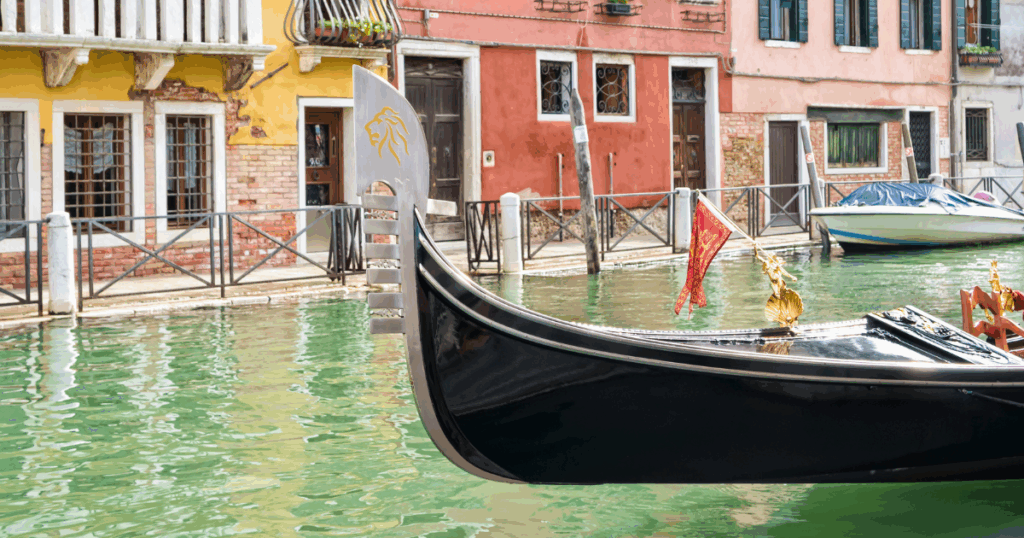
A winter itinerary can move from one mood to the next: an opening night in Milan or Venice, a few days among the Christmas markets of Trentino and South Tyrol, then a stay in the Dolomites to close the year. Each part brings something different, and the contrast between them is what gives the season its appeal. With a calendar full of events, winter offers clients a reason to see Italy in a different light.
Opening nights and the holiday period need to be planned well in advance. If your clients are thinking about Italy this winter, we would be glad to help you shape the season around them.
Let’s work together on your next luxury Italy tour.